

In Marion County, hurricane season is not a surprise — it is a calendar. The properties that come through a storm in the best shape are almost always the ones that did the work before the wind arrived. Pre-storm tree trimming and hazard clearing find the dead limbs, the overgrown brush, and the trees that would become storm missiles, and deal with them while it is calm, scheduled, and safe. Here is what a proactive pre-storm plan looks like on a Marion County property, and why it is the smartest storm cleanup there is.
Why Pre-Storm Work Beats Post-Storm Cleanup
After a hurricane, every crew in the county is booked, prices climb, and the trees that fell are the ones that were going to fall anyway. Pre-storm clearing flips that. You find the hazard limbs and the weak trees on your schedule, remove them in control, and skip the emergency scramble entirely.
It is the same work as post-storm cleanup — just done on a timeline you control, with far less damage to clean up after.
Identifying the Hazard Trees Before the Wind Does
A trained eye walks the property and finds the trees that will not hold up in a storm: dead limbs hung up in the canopy, trees with split trunks or cracked unions, oaks that have leaned progressively, and trees whose root plates have been compromised by standing water or earlier clearing.
Those are the hazards that come down in a controlled removal now instead of across your roof or fence line later. A licensed, insured crew brings them down with the right rigging instead of letting the wind drop them.
Trimming Dead Limbs and Reducing the Canopy
Not every problem tree has to come out. Many just need the dead wood removed and the canopy thinned so wind can move through it instead of catching it like a sail. Proper pruning keeps a healthy oak standing and out of the risk column.
Dead limbs are the low-hanging fruit of storm prep. They are the first pieces to drop in any wind event, and clearing them before the season removes a real hazard from over your home, driveway, and outbuildings.
Clearing the Brush Fuel Around Structures
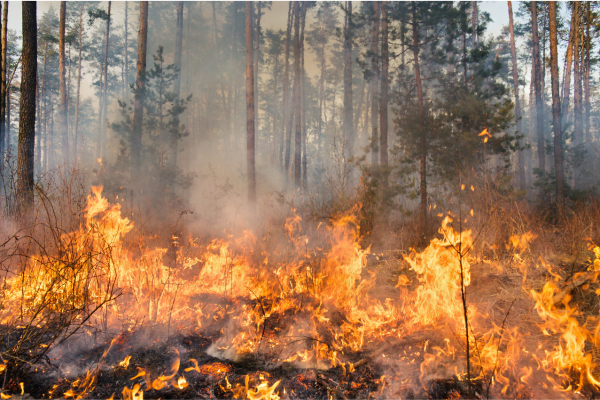
Overgrown brush near the house, barn, or access road is not just fire fuel — it is storm debris waiting to happen. Dense brush breaks loose and blocks driveways and access exactly when you need them most. Clearing it ahead of the season keeps your access open and removes the material a storm would scatter across the lot.
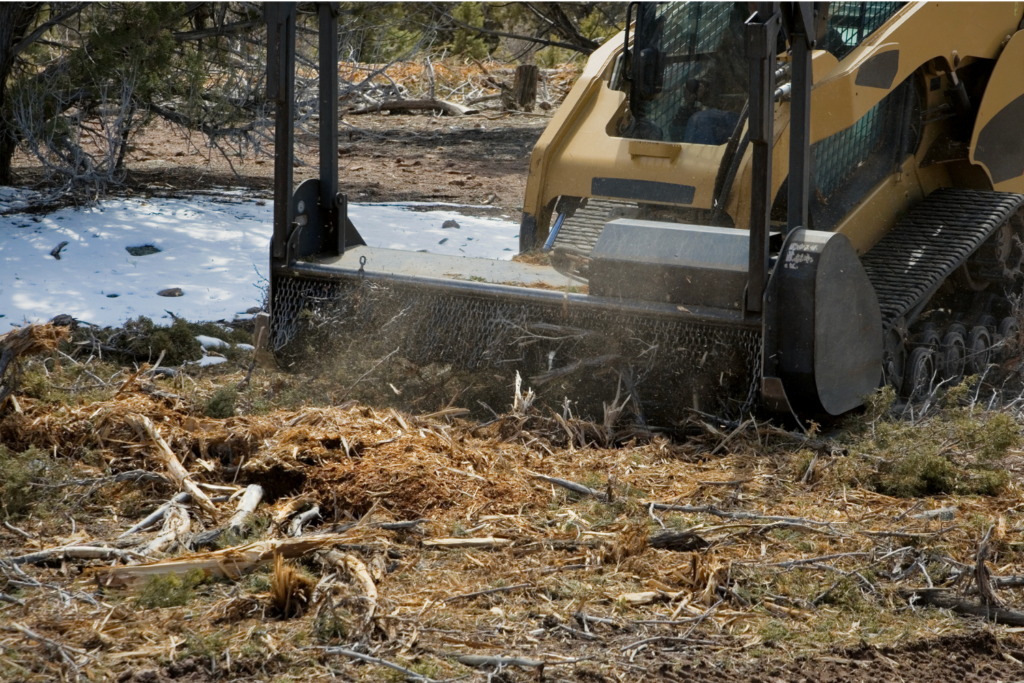
Forestry mulching handles that brush in place, leaving a clean buffer and a mulch layer instead of scraped ground that would erode in the first heavy rain of the season.
Hauling Off What Comes Down
Whatever comes out — hazard trees, dead limbs, cleared brush — has to leave the property. Piled debris becomes its own hazard in a storm, so a complete pre-storm plan includes hauling it off-site.
A crew with the right trucks clears the pile in a fraction of the time it takes to move it by hand, and leaves the lot clean instead of leaving the cleanup for the storm to do for you.
Make Pre-Storm Prep a Habit, Not a Panic
The owners who lose the least in a hurricane are the ones who treat storm prep as routine maintenance, not a last-minute emergency. A walk-through early in the season, the hazard trees and dead limbs removed, the brush cleared back from the structures — that is a property that weathers the storm.
Get out ahead of the next one. A licensed, insured local crew can walk your Marion County lot, flag the hazards, and put you on a plan that protects the property before the wind ever picks up.
Claim your free estimate in Marion County & Ocala
Ready to put this to work on your property? Tell us what you need and Michael will walk your lot and give you a clear, no-obligation quote.
More Central Florida Land Articles
Get a Free On-Site Quote
Tell us about your property. We'll be out to walk the lot and give you a clear, no-obligation estimate — then you can book a free estimate call.