What Property Owners in The Villages and Wildwood Should Know About Gravel and Millings Driveways Before Installation
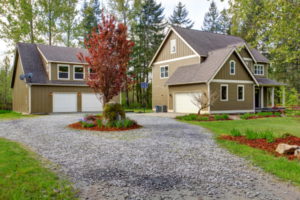
A driveway does more than connect your home to the road. It shapes your first impression, handles daily traffic, and stands up to Florida’s rain and heat year after year. Before you commit to a new driveway, it helps to understand your two most popular options: traditional gravel and recycled asphalt millings. Here is what property owners in The Villages and Wildwood should know about gravel and millings driveways before installation.
Why Your Driveway Material Choice Matters More Than You Think
The surface material you choose affects far more than looks. It determines durability, drainage, maintenance requirements, and even your property value. A well-chosen, properly installed driveway resists ruts, washouts, and potholes, while a poor match for your property conditions fails quickly. Because your driveway handles vehicle traffic every day, the right material selection pays off for years in both performance and curb appeal.
Gravel and Millings, Side by Side
Gravel and asphalt millings each offer a cost-effective, durable driving surface, but they behave differently once installed. Understanding how they compare helps you make a confident choice for your property.
The Case for a Traditional Gravel Driveway
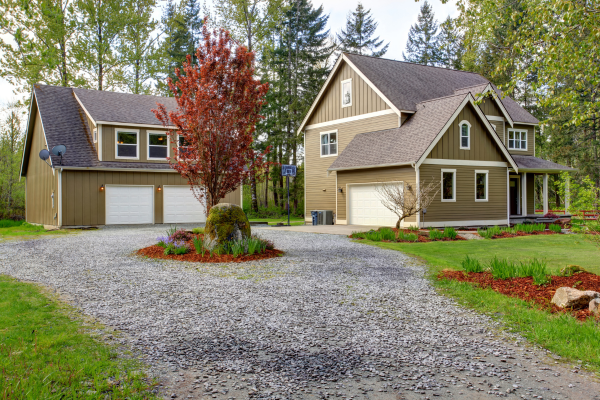
A traditional gravel driveway remains a favorite for residential driveways, access roads, and farm roads across North Central Florida. Several gravel types exist, from crushed limestone to pea gravel, and each one offers a stable surface at a budget-friendly price. Gravel also provides excellent natural drainage, since water filters through the stone rather than pooling on top. It does require occasional attention, as loose gravel can shift under traffic, so periodic raking and regrading keep the surface even and smooth.
What Makes Recycled Asphalt Millings Different
Asphalt millings are recycled from old asphalt pavement ground down during road resurfacing projects. Once spread and compacted, the millings bind together into a firm, long-lasting surface that behaves more like solid pavement than loose stone. Because they reuse existing asphalt, millings are an eco-friendly option that reduces landfill waste. They also need minimal maintenance, resist shifting better than loose gravel, and often cost less than new asphalt pavement. That combination makes them a smart choice for larger driveways and parking areas.
How Florida’s Weather Affects Gravel and Millings Driveways
Florida’s climate is tough on any driving surface. Heavy summer rains, high humidity, and intense sun all test how well a driveway holds up over time. Without the right setup, water erosion carves ruts and washouts, and standing water softens the base layer beneath the surface. Both gravel and millings can thrive here, but only when installation accounts for how our weather moves water across your property.
Why Drainage Decides Whether Your Driveway Survives the Rain
Drainage makes or breaks a Florida driveway. When water cannot flow away properly, it pools, erodes the surface, and creates potholes that worsen with every storm. Gravel offers strong natural drainage because water passes between the stones, while compacted millings shed water across a graded surface. Proper grading directs runoff away from the driveway and your home, protecting the investment from erosion long after the rainy season ends.
Choosing Between Gravel and Millings for Your Property
The right choice depends on your property conditions, budget, and how you use the driveway. Traditional gravel suits property owners who want a lower upfront cost, excellent natural drainage, and a classic look for a residential driveway or farm road. Recycled asphalt millings appeal to those who prefer a firmer, longer-lasting surface with minimal maintenance and the added benefit of using recycled materials.
Consider your driveway width, expected vehicle traffic, and how much maintenance you want to take on. Both options deliver a cost-effective, durable driving surface when a professional handles the excavation, grading, and compaction correctly. An experienced local team can assess your site and recommend the material and installation approach that fits your property best. To learn more about driveway installation and site preparation across The Villages, Wildwood, and the surrounding area, connect with the team at Chiguina Property Services.
With the right material and proper installation, your new driveway will handle Florida’s weather, resist ruts and washouts, and add lasting value and curb appeal to your property for years to come.