How Lake County Landowners Can Reclaim Overgrown Land the Right Way
Central Florida land doesn’t stay clear for long. Leave a parcel alone for a season or two, and thick brush, saplings, and vines reclaim it fast. For Lake County landowners, that overgrowth turns a valuable asset into an unusable tangle of vegetation. The good news: you can reclaim overgrown acreage and turn it back into usable land, provided you choose the right method for the job. Here’s how to clear overgrown land the right way, protect your soil, and get the most from your property.
Why Overgrown Acreage Is Such a Common Problem in Central Florida
Owning property in Central Florida means fighting a constant battle against growth. The warm, humid climate and long growing season push vegetation to spread quickly, so even well-kept acreage can slip back into overgrowth within a year or two of neglect. Understanding why land gets overgrown is the first step to reclaiming it for good.
How Fast-Growing Brush and Weeds Take Over Local Land
On local land, the takeover follows a predictable pattern. Tall grass and weeds move in first, followed by light brush, woody undergrowth, and vines. Before long, saplings and small trees establish themselves, and the density of the vegetation climbs fast.
Invasive species make it worse, crowding out desirable growth and spreading aggressively across open pasture and idle acreage. Left unchecked, a lightly overgrown lot becomes thick brush and, eventually, a stand of young trees that’s far harder and costlier to clear.
What Overgrown Land Costs Central Florida Property Owners
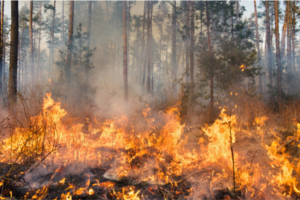
Overgrown land quietly costs property owners in several ways. Dense vegetation harbors pests, snakes, and rodents, creates fire risk during dry spells, and can hide erosion or drainage problems. It also blocks access to utilities, making the property nearly impossible to use or enjoy.
There’s a financial cost too. Overgrowth drags down property value and curb appeal, and the longer you wait, the more mature the timber becomes and the more the cleanup costs. Reclaiming the land early almost always proves more cost-effective than letting it go.
Understanding Your Options: The Right Way to Clear Land
When it’s time to clear land, the method matters as much as the effort. Different clearing methods suit different types of overgrowth, and choosing the right one protects your soil, your budget, and your property’s future use. Here’s how the main options compare.
Forestry Mulching: Turning Overgrown Land Into Usable Space
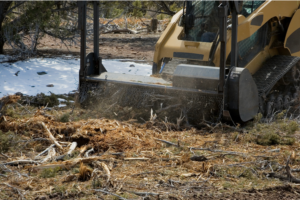
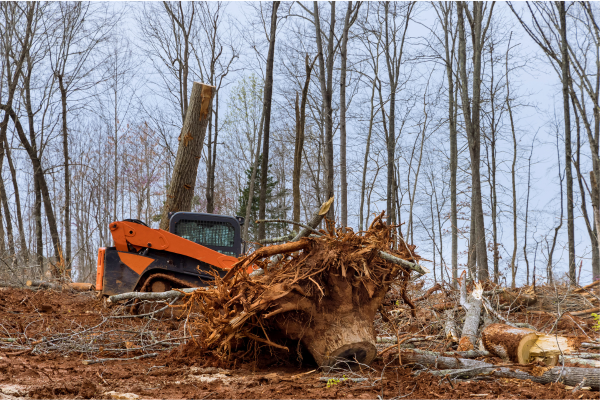
Forestry mulching is often the best way to clear overgrown land in Central Florida. A single machine — typically a compact track loader or excavator fitted with a mulcher — grinds standing brush, saplings, and small trees into a layer of mulch right where they stand. One pass clears the vegetation and spreads wood chips across the ground in one step.
That efficiency turns overgrown land into usable space quickly and with minimal disturbance. Because forestry mulching leaves the soil intact and requires no burning or hauling, it’s a clean, cost-effective land clearing method well suited to reclaiming neglected acreage.
Bush Hogging and Other Land Clearing Methods Compared
Forestry mulching isn’t the only tool for the job. Bush hogging uses a heavy rotary cutter to mow down tall grass, weeds, and light brush, making it ideal for maintaining open pasture rather than clearing woody growth. For brush cutting and routine upkeep, hogging is fast and affordable.
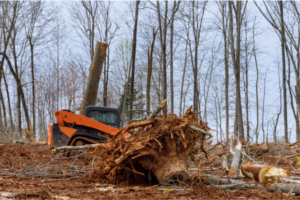
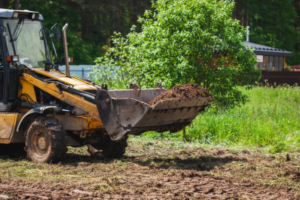
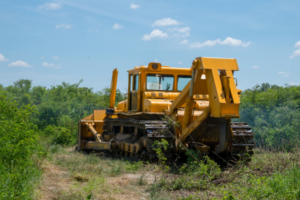
Traditional clearing with a bulldozer or excavator handles the heaviest jobs — mature timber, stump removal, and full site clearing — but it disturbs more soil and creates debris piles that need hauling. Some projects combine methods: mulching the brush and saplings, then bringing in an excavator for stump removal. Matching the land-clearing method to the density of your overgrowth and your end use is the key to getting it right.
How the Right Clearing Method Protects Your Soil and Property
Choosing the right method does more than clear vegetation — it protects the land underneath. The wrong method can strip topsoil, invite erosion, and leave lasting damage, while the right one keeps your property healthy. This is where forestry mulching really shines.
Why Forestry Mulching Supports Erosion Control
Central Florida’s sandy soils and gentle slopes make erosion a real concern once vegetation comes off. Traditional clearing that scrapes the ground bare leaves soil exposed to wind and rain, which can wash away topsoil and create drainage problems.
Forestry mulching supports erosion control by keeping roots and soil largely undisturbed and leaving a protective mulch layer on the surface. That layer shields the ground, slows runoff, and helps hold soil in place on slopes — a major advantage for erosion-prone Central Florida property.
How Leaving Mulch On-Site Improves Soil Health
Leaving the mulch on-site does more than prevent erosion. As the wood chips break down, they return organic matter and nutrients to the soil, improving its structure and fertility over time. That natural layer also helps retain moisture and suppress the regrowth of weeds and invasive vegetation.
Because mulching processes everything on-site, you avoid the debris piles, burning, and hauling that other methods require. The land ends up cleaner, healthier, and ready for its next use, with no wood piles left behind to deal with.
When Excavation and Grading Turn Cleared Acreage Into Usable Land
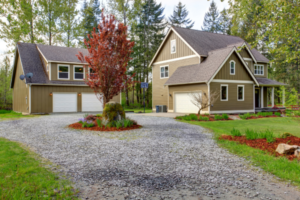
Clearing the vegetation is often just the first step. When you plan to build, install a driveway, or create level pasture, excavation and grading turn cleared acreage into truly usable land. This is where land preparation moves from removal to development.
Combining Land Clearing and Excavation for Buildable Property
For buildable property, land clearing and excavation work hand in hand. After mulching clears the brush and saplings, an excavator handles stump removal, roots, and any remaining woody debris. Grading then levels the ground, shapes slopes for proper drainage, and prepares a stable base for construction or a driveway.
This combined approach takes a parcel from overgrown to build-ready. Whether you’re preparing a quarter-acre homesite or several acres of pasture, pairing the right clearing method with excavation and grading ensures the finished land actually supports its intended end use.
Choosing the Best Way to Clear Your Lake County Acreage
The best way to clear your Lake County acreage depends on what’s growing, how dense it is, and what you plan to do with the land afterward. Light brush and tall grass may only need bush hogging, while woody overgrowth calls for professional mulching, and build sites require excavation and grading on top. Matching the method to the land and the end use saves money and protects the property.
What to Look for in a Local Land Clearing Company
Choosing the right land clearing company gives you peace of mind that the job gets done correctly. Look for a local land clearing company with genuine Central Florida experience, the right equipment for your terrain, and proper licensing and insurance. Local knowledge matters, because a company that understands regional soil, vegetation, and regulations will recommend the right method rather than the wrong one.
A knowledgeable, owner-operated team can assess your acreage, explain your options honestly, and match the clearing method to your goals. To learn more about reclaiming overgrown land the right way in Lake County and across Central Florida, explore the land clearing and forestry mulching services at Chiguina Property Services.